

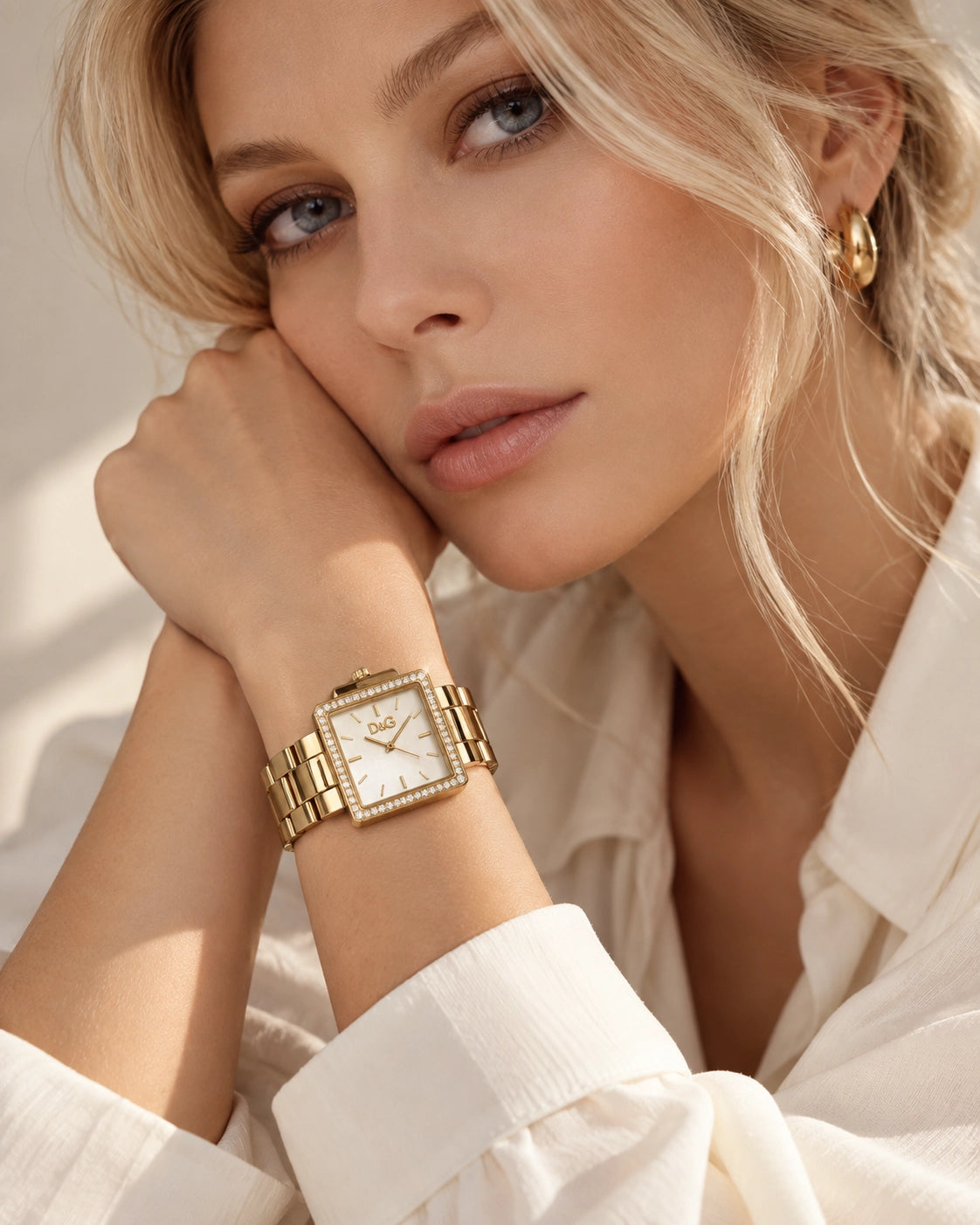



Armani
Italian luxury house Armani is known for refined tailoring, modern elegance and a restrained design language that has shaped contemporary ideas of understated luxury.
Founded Year: 1975 - Country of origin: Italy
Bestsellers from Armani
The story
Armani occupies a rare position in modern fashion because it reshaped the idea of luxury without relying on excess. Founded in Milan in 1975 by Giorgio Armani, the house emerged at a moment when fashion could still feel stiff, codified and overly formal. Armani’s answer was not rebellion for its own sake, but refinement through reduction. He softened tailoring, stripped away unnecessary structure and built a silhouette that looked sophisticated without appearing rigid. That approach changed the visual language of contemporary dressing and gave the brand an identity that still feels clear decades later. From the beginning, Armani stood for a quieter kind of status: elegance expressed through line, proportion, fabric and restraint rather than overt display.
That clarity of vision helped the house grow far beyond its origins as a ready-to-wear label. Over time Armani developed into a wider universe spanning different lines, product categories and lifestyle expressions, yet the core idea remained remarkably consistent. Whether seen in tailoring, accessories, fragrance, watches, jewellery or interiors, the brand is linked by a disciplined aesthetic that values balance and ease. This is one of the reasons Armani has retained relevance across generations. Many luxury names evolve by changing character from season to season, but Armani has tended to deepen its own codes rather than abandon them. The result is a brand world that feels coherent and recognisable, even when translated into categories well beyond clothing.
Part of Armani’s long-term cultural power lies in its ability to make sophistication feel natural. The brand became globally influential not only because of what it designed, but because of the way it shaped an attitude. Giorgio Armani’s vision of modern elegance entered cinema, red-carpet dressing and professional wardrobes, helping define how power, glamour and refinement could look in the late twentieth century and beyond. Yet the appeal of the house was never only aspirational in a distant sense. Armani’s best work made luxury feel livable. Pieces were polished, but they were also designed to move with the body and suit real life. That balance between prestige and ease remains one of the most important reasons customers continue to respond to the brand.
In categories such as watches and jewellery, this translates into a design approach rooted in clean forms, polished finishes and a preference for lasting style over novelty. Even when the products are more accessible than the highest fashion lines of the house, the appeal comes from an association with the wider Armani code: modern Italian elegance, confidence without loudness, and a sense of taste that does not depend on trend saturation. Customers choosing Armani-branded accessories are often looking for exactly that. They want something recognisable and elevated, but not overstated. They are buying into an idea of sophistication that feels timeless rather than aggressively seasonal.
Another reason Armani continues to matter is that the brand speaks to a broad luxury audience without becoming vague. It can appeal to customers who value tailoring heritage, to those drawn to fashion history, and to shoppers who simply want refined accessories with a strong name behind them. That versatility is difficult to achieve. Many brands become either too exclusive to feel everyday or too diffuse to feel special. Armani has largely avoided both extremes by keeping its design language controlled and by allowing the name to stand for a particular standard of elegance. Even in a crowded global luxury market, that remains a meaningful advantage.
Seen as a whole, Armani is best understood as one of the defining houses of modern Italian luxury: a brand that transformed fashion by proving that understatement could be more powerful than display. Its continued relevance comes from consistency, cultural authority and an aesthetic that still feels persuasive in a world of visual noise. People choose Armani because it represents polish, confidence and discernment in a form that rarely needs explanation. That is why the house remains influential today. It offers not only products, but a lasting idea of how contemporary luxury can look and feel.
Market tier: Luxury
Brand Category: Fashion, Jewellery och Watches
Short facts about Armani
Why people choose Armani ?
Recognisable Italian luxury name with enduring cultural authority
Refined, understated design that feels polished rather than overdone
Accessories and watches that translate Armani elegance into everyday wear
What makes Armani special ?
Built on a consistent visual identity centred on line, balance and restraint
Links accessible accessories to the wider prestige of the Armani house
Offers timeless sophistication rather than short-lived novelty
AUTHENTIC BRANDS · NEW & PRE-LOVED · INTERNATIONAL DELIVERY · PERSONAL SUPPORT
The CARATINO edit
PRIVATE ACCESS & NEW ARRIVALS
New arrivals, distinctive pieces and selected releases, delivered occasionally.